
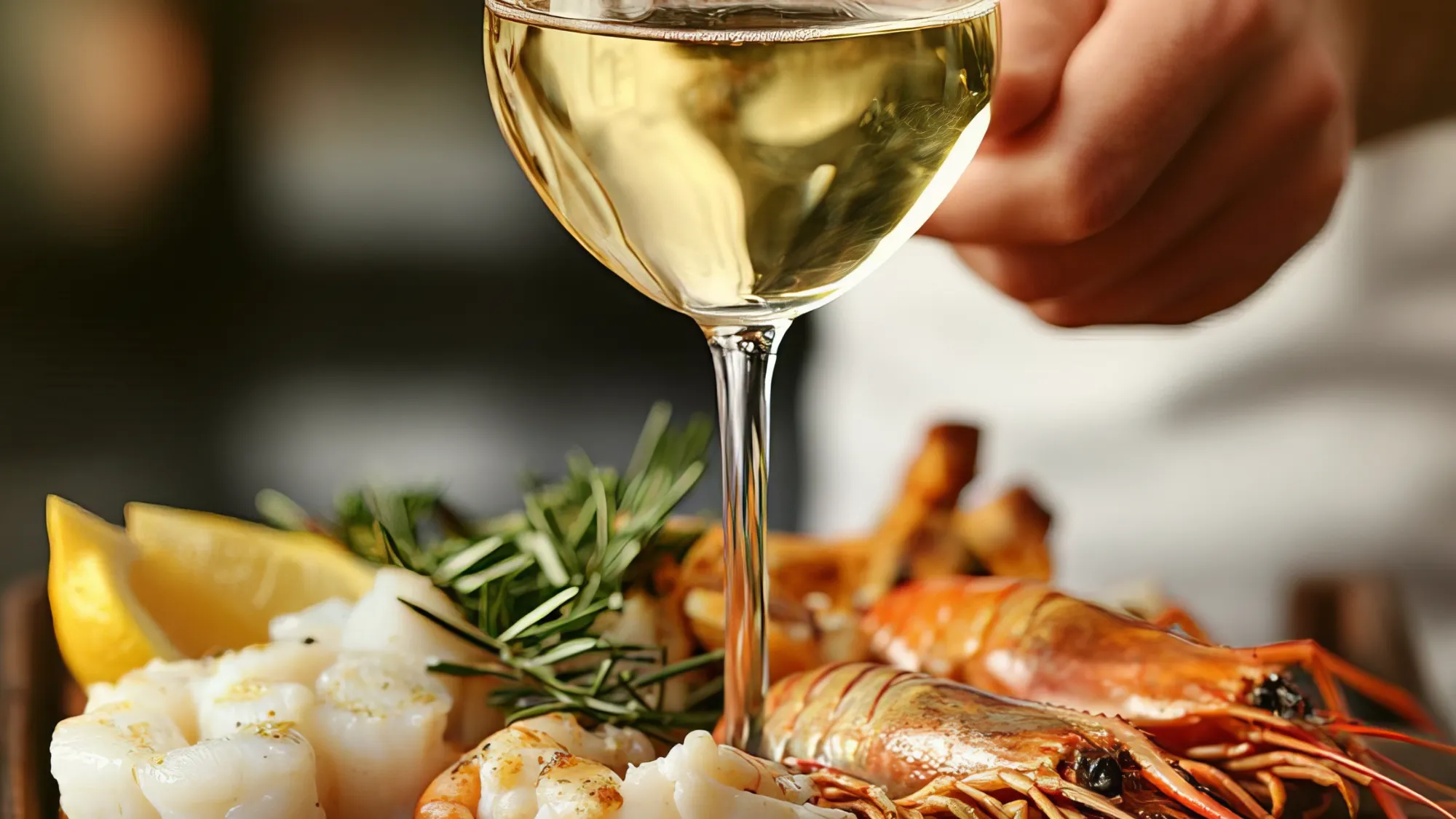
A lemon-dressed shrimp salad and a creamy seafood bake may share a Thanksgiving table, but they call for different pairing ideas. For adults researching chilled white wine near Waterford, Grand Wine & Spirits’ educational guides explain differences between styles. Start with the dish’s dominant flavors rather than assuming every white wine suits every seafood course.
Acidity is the tartness that makes a wine feel refreshing. Body is its weight in the mouth. Neither should be confused with sweetness, which is a separate sensory characteristic.
Sauvignon Blanc for Citrus and Herb Flavors
With typically bright acidity and citrus or herbal notes, Sauvignon Blanc offers a starting point for lightly dressed shellfish. The Sauvignon Blanc guide pairs this style with shellfish and salads.
For Thanksgiving, think shrimp with lemon and parsley or crab salad without a heavy cream dressing. These are pairing suggestions, not promises that every bottle tastes alike. Region and winemaking create differences within the grape variety.
Chardonnay for Creamier Preparations
Chardonnay is not automatically buttery or full-bodied. Grand Wine & Spirits’ overview of white wine styles describes both lean, citrus-led examples and richer, oaked versions.
A fuller style can complement creamy seafood pasta, baked fish with butter, or savory squash soup. A leaner version may suit simply prepared fish. Consider oak influence and texture rather than relying on the grape name alone. The sauce can change the pairing even when the seafood stays the same.
Pinot Grigio for Delicate Dishes
The Pinot Grigio guide distinguishes lighter, crisper styles from rounder Pinot Gris. Although they come from the same grape, the finished wines can differ noticeably.
For a lighter Thanksgiving course, consider these starting points:
- Simply prepared white fish with herbs.
- A seafood salad with restrained seasoning.
- Mixed greens alongside a light appetizer.
A delicate wine may be overshadowed by a strongly flavored sauce. Treat these combinations as ideas to explore, not fixed rules that override personal preferences.
Match the Whole Plate, Not Just the Protein
Grand Wine & Spirits’ fall food-pairing guide emphasizes how preparation changes a pairing. Use this three-step approach:
- Identify the strongest flavor. Is the dish dominated by lemon, herbs, butter, cream, or sweetness?
- Compare weight. Think about whether the meal feels delicate or rich before choosing between crisp and fuller styles.
- Consider the accompaniments. Cranberry sauce, sweet glazes, and strongly seasoned sides can change the overall match.
Write down the complete dish, including its dressing or sauce. That description is more useful than the broad label “seafood.”
Chill to Suit the Style
Serving temperature affects how a wine’s aromas and flavors are perceived. Fuller whites such as oaked Chardonnay are often served lightly chilled, around 50–55°F. Lighter whites can be served colder, but excessive chilling can hide their character.
Keep alcohol-free refreshments readily available, and respect guests who choose not to drink.
Frequently Asked Questions
Is Sauvignon Blanc Always Best With Seafood?
No. Its acidity can suit citrus and herb preparations, while creamy dishes may suggest a fuller style.
Can Chardonnay Be Served Chilled?
Yes. Adjust the temperature to its style rather than assuming it should be served ice-cold.
Does Light-Bodied Mean Low Alcohol?
Not necessarily. Body describes the wine’s feel; check the alcohol-content label separately.
Is Pinot Grigio Suitable for Thanksgiving?
It can complement lighter courses. Consider the seasoning and sauce as well as the main ingredient.
Explore Pairing Questions With Grand Wine & Spirits
Make your research into chilled white wine near Waterford more specific by noting your seafood, sauces, and lighter side dishes. Contact Grand Wine & Spirits with questions about wine styles and food pairing. Focus on understanding the match and accommodating your guests, rather than finding one supposedly perfect wine for the entire table.


